
What Does an Appliance Service Call Fee Cover? A Transparent Explanation
When you call for appliance service, the first cost you encounter is usually called a service call fee, diagnostic fee, trip charge or evaluation fee. The name varies by company, but the question is the same: what am I paying for, and what happens if I decide not to repair?
This guide explains how appliance service pricing typically works, what questions to ask before the visit, what should be in writing and what red flags suggest the pricing structure may not be transparent. We are not quoting specific dollar amounts because rates vary by provider, appliance type, complexity and market. What we can provide is a framework for understanding what you are being asked to pay and why.
Understanding these fees is especially important in the appliance repair market, where pricing practices vary widely and consumers sometimes feel confused about what they agreed to after the fact.
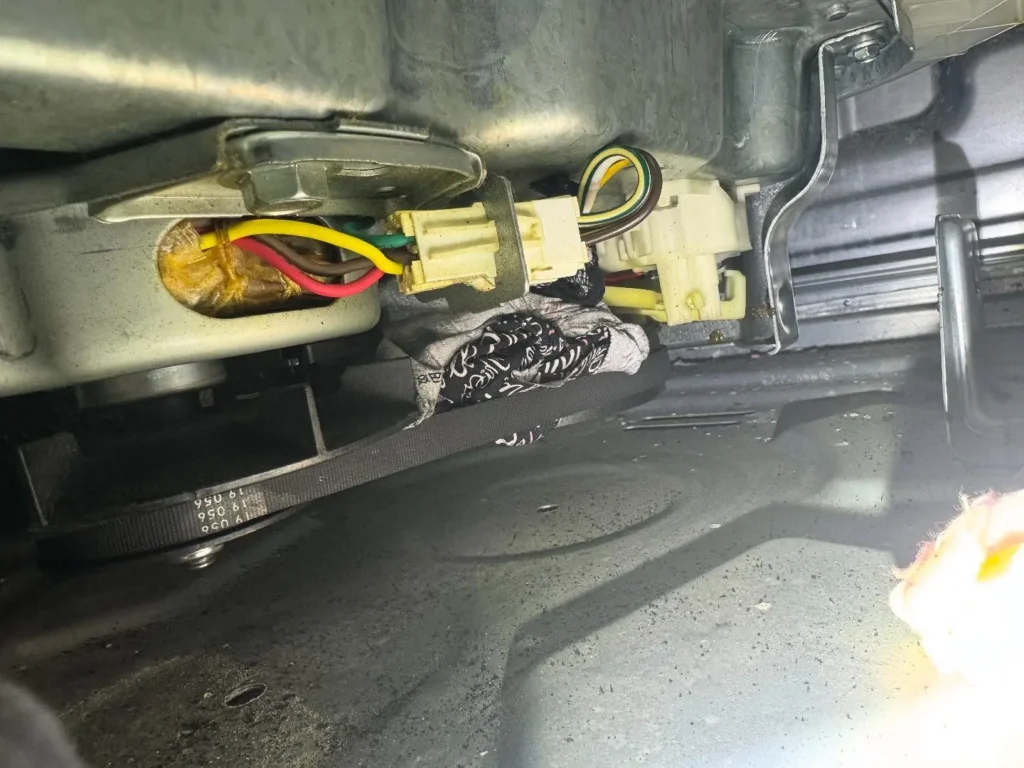
The Typical Pricing Structure for Appliance Service
Most appliance service companies use one of these pricing structures. Some combine elements from more than one.
Service call fee (or trip charge)
This is a flat fee charged for the technician to come to your location. It covers travel time, vehicle costs and the technician’s arrival. It does not typically include the diagnosis or any repair work.
What to ask:
- Is there a service call fee, and what does it cover?
- Is the fee charged regardless of whether I authorize repair?
- Is the fee applied (credited) toward the repair if I proceed?
Diagnostic fee
This fee covers the time and expertise required to identify the problem. On-site diagnosis involves testing components, measuring electrical values, checking connections, evaluating symptoms and determining which part or system has failed.
A diagnosis is professional work. It requires training, experience, test equipment and model-specific knowledge. A technician who arrives, identifies the problem, explains the repair path and provides a written option has delivered a professional service even if you decline the repair.
What to ask:
- Is the diagnostic fee separate from the service call fee, or combined?
- Does the diagnostic fee cover the full evaluation or only a specific appliance?
- Is the diagnostic fee applied (credited) toward the repair if I proceed?
- What happens if the technician cannot diagnose the problem on the first visit?
Combined service call and diagnostic fee
Some companies charge a single fee that covers both the trip and the diagnosis. This is the simplest structure for the consumer. The fee is paid regardless of whether the repair is authorized.
Repair quote
After diagnosis, the technician provides a repair quote—also called an estimate, option or proposal. This should be a written document that itemizes the cost of parts, labor, tax and any other charges. The consumer authorizes or declines the repair based on this quote.
A repair quote is not the same as a service call fee. The service call fee gets the technician to the home and funds the diagnosis. The repair quote is the cost to fix the problem.
Flat-rate versus time-and-materials
Some companies use flat-rate pricing, where each repair type has a fixed price regardless of how long it takes. Others use time-and-materials pricing, where the cost depends on actual labor time plus parts. Each structure has tradeoffs:
- Flat-rate: Predictable cost for the consumer, but the rate must be high enough to cover the most complex version of each repair.
- Time-and-materials: Actual cost, but the consumer may not know the total until the work is complete.
Ask which pricing model the company uses before the visit.
What Should Be in Writing Before You Authorize Work?
Before any repair work begins, you should have a written document that includes:
- The diagnosed problem. What was found, what component failed and what tests were performed.
- The proposed repair. What will be done, what parts will be replaced and what work is involved.
- The total cost. Parts, labor, tax and any other charges, itemized.
- What happens if the repair does not resolve the problem. Is a return visit included? Is there a warranty on the repair? Is there an additional charge?
- The service call or diagnostic fee already paid. Whether it is applied toward the repair or is a separate charge.
- Parts information. Whether the parts are OEM (original equipment manufacturer), aftermarket or refurbished. Whether they carry a warranty.
- Authorization. A place for you to approve or decline the repair before work begins.
Do not authorize verbal-only quotes, round-number estimates or “we’ll figure it out as we go” arrangements. A written, itemized quote protects both the consumer and the service provider.
What Are You Paying the Diagnostic Fee For?
A diagnostic fee covers professional evaluation. Here is what that typically involves:
Symptom verification
The technician confirms the reported symptom. A “not heating” complaint may involve several different systems. The technician verifies what the appliance is actually doing before testing components.
Access and inspection
The technician gains access to internal components—removing panels, pulling the unit out, checking connections. This requires care to avoid damaging the appliance, the installation, the flooring or adjacent cabinetry.
Electrical and functional testing
The technician uses test equipment—multimeters, ammeters, manometers, temperature probes—to measure voltage, resistance, current draw, temperature, gas pressure and other values. This is how a failed component is confirmed, not just suspected.
Model-specific knowledge
An appliance technician needs to know the model layout, the wiring diagram, the component locations, the error-code meanings and the manufacturer’s test procedures. Different brands and generations use different designs. A Samsung refrigerator and a Whirlpool refrigerator may present the same symptom but require different diagnostic paths.
Professional judgment
Not every problem has a single cause. Some symptoms result from multiple failures, installation issues, environmental conditions or user error. The technician evaluates all of these and provides a professional opinion on the most likely cause and the recommended repair path.
Written documentation
The diagnosis should be documented in writing: what was found, what was tested, what the recommendation is, what the cost will be and what the alternatives are. This documentation has value whether you repair or not.
Common Questions About Appliance Service Fees
Why is there a fee just for the technician to come look at it?
The service call and diagnostic fee covers the cost of a trained professional traveling to your location with tools, test equipment and model-specific knowledge, performing an evaluation and providing a professional recommendation. It is compensation for time, expertise and equipment.
What if the technician cannot diagnose the problem?
This should be discussed before the visit. Some problems require specialized testing, a part substitution, access to model-specific data or a second visit. Ask what happens if the diagnosis is inconclusive and whether a follow-up visit incurs an additional charge.
What if I decide not to repair?
In most cases, you pay the service call and/or diagnostic fee and owe nothing further. The diagnosis you received still has value: it tells you what is wrong, what the repair would cost and whether replacement might be more practical. Confirm this policy before the visit.
Should the service call fee be applied to the repair?
Many companies credit the service call fee toward the repair cost if you proceed. Others do not. This is a business-practice question, not a right-or-wrong question. Ask before scheduling.
Can I get a quote over the phone?
Some companies provide rough estimates for common repairs. However, an accurate quote requires on-site diagnosis because the symptom may not match the cause, parts vary by model and additional issues may be found during inspection. A phone estimate should be treated as a general range, not a commitment.
What if the repair costs more than the quote?
A written, authorized quote should be the final price unless additional problems are discovered during the repair. If the technician finds additional issues, they should stop work, explain the additional findings and provide a revised quote for your approval before proceeding.
What is a reasonable diagnostic fee?
Diagnostic fees vary by market, appliance type, provider and service model. Rather than judging by dollar amount, evaluate what is included: the trip, the diagnosis, the documentation, whether the fee applies toward repair and whether the provider is transparent about the total process.
Red Flags in Appliance Service Pricing
Be cautious if a service provider:
- Refuses to disclose the service call or diagnostic fee before the visit.
- Will not provide a written, itemized quote before starting work.
- Pressures you to authorize repair immediately without time to consider.
- Quotes a low service call fee and then adds a separate, undisclosed diagnostic fee.
- Charges significantly more than the quoted amount without explanation or prior approval.
- Will not explain what is covered by the diagnostic fee.
- Cannot identify the problem but charges the full diagnostic fee plus a return-visit fee.
- Provides only verbal quotes with no written documentation.
- Will not specify whether parts are OEM, aftermarket or refurbished.
- Charges for parts that were not replaced or work that was not performed.
These are not accusations directed at any provider. They are patterns reported across the appliance repair industry, and asking the right questions before the visit prevents most of them.
What We Confirm Before the Appointment
When you contact us to arrange service in Staten Island, we confirm the following before the visit:
- The service call and/or diagnostic fee and what it covers.
- Whether the fee applies toward the repair if you proceed.
- The identity of the business handling the appointment.
- What the technician will evaluate and what documentation you will receive.
- The process for providing a written, itemized repair quote.
- The authorization process before any work begins.
- Any warranty on completed repairs.
- Scheduling, availability and any access requirements.
We do not provide specific dollar amounts on this page because rates depend on the provider, the appliance, the complexity and the scope of work. What we do provide is transparency about the process, so you know what to expect and what to ask.
What Happens During the Service Visit?
Understanding the typical flow of a service visit helps you evaluate whether the process matches what was promised.
Before the technician arrives
You should have confirmed the service call fee, diagnostic fee (or combined fee), what it covers, whether it applies toward repair and what documentation you will receive. You should also have prepared the appliance information: brand, model number, symptom description, error codes and access details.
When the technician arrives
The technician verifies the reported symptom, identifies the appliance, locates the model and serial number and begins evaluation. This may involve testing the appliance, running cycles, measuring voltages, checking components and accessing internal parts. On some models, this process takes 15 to 30 minutes; on complex or multi-symptom problems, it may take longer.
After diagnosis
The technician explains what was found, what the repair involves, what parts are needed and what the total cost will be. This information should be presented in a written format before you authorize anything. Take the time you need to review the quote, compare it with replacement costs and make an informed decision.
If you authorize the repair
The technician completes the repair, tests the appliance, confirms the fix and provides a receipt or invoice documenting the work performed, parts installed, total charge and any warranty. Verify that the appliance works before the technician leaves.
If you decline the repair
You pay the diagnostic fee and owe nothing further. The written diagnosis still has value: you now know what is wrong, what it would cost to fix and can use that information to get a second opinion or evaluate replacement options.
Warranty and Guarantee Terms on Repairs
Repair warranty terms vary by provider. Before authorizing work, understand what is covered after the repair is complete.
What to ask about repair warranties
- How long is the warranty on labor?
- How long is the warranty on parts?
- Does the warranty cover the same problem only, or any problem with the same component?
- If the repair fails within the warranty period, is there an additional service call fee?
- Is the warranty in writing?
- What is the process for making a warranty claim?
Parts warranties versus labor warranties
Some providers offer different warranty periods for parts and labor. A 90-day parts warranty means the replacement part is covered for 90 days. A 30-day labor warranty means the installation work is covered for 30 days. If the part fails on day 60 but the labor warranty has expired, you may pay for labor again.
Ask whether the warranty covers both parts and labor for the same period. OEM (original equipment manufacturer) parts may carry the manufacturer’s warranty in addition to the service provider’s warranty.
What voids a repair warranty
Common exclusions include: misuse after repair, damage from other causes, unauthorized modifications, use of the appliance outside the manufacturer’s specifications or failure to follow post-repair instructions. Ask about exclusions before authorizing work.
Consumer Rights and Appliance Repair in New York
New York State and New York City have consumer protection frameworks that apply to appliance repair services.
New York State consumer protection
- The New York State Attorney General’s office handles complaints about deceptive business practices, including undisclosed fees, unauthorized charges and misleading advertising.
- Service providers are required to perform work in a competent manner and to charge agreed-upon amounts.
- If you believe you were charged for work that was not performed, charged significantly more than the agreed quote or subjected to deceptive practices, you can file a complaint with the Attorney General’s Consumer Frauds Bureau.
Written estimates
New York State does not have a specific statute requiring written estimates for appliance repair (unlike auto repair, which has specific requirements). However, written documentation protects both parties and is a best practice. If a provider refuses to put the quote in writing, consider that a significant caution.
Right to decline
You always have the right to decline a proposed repair. The diagnostic fee covers the evaluation. You are not obligated to authorize repair at any price.
Second opinions
You have the right to seek a second opinion from another provider. Be aware that a second opinion usually requires a second diagnostic fee. Provide the same symptom information and let the second technician diagnose independently.
How to Compare Appliance Service Providers
When evaluating service providers, use these questions to compare not just the price but the total value and transparency of the service.
| Question | Why it matters |
|---|---|
| What is the total fee before any repair is authorized? | Prevents surprise charges after the visit |
| Is the diagnostic fee credited toward repair? | Affects total out-of-pocket cost |
| Is the quote written and itemized? | Protects both parties and enables comparison |
| What are the warranty terms on parts and labor? | Determines your protection after the repair |
| Are parts OEM or aftermarket? | Affects quality, fit and warranty coverage |
| Is the provider licensed and insured? | Protects you from liability and ensures accountability |
| Does the provider have local references or reviews? | Provides evidence of reliability and quality |
| What is the process if the repair does not fix the problem? | Protects you from paying again for the same issue |
| Can the provider handle your appliance type and brand? | Not all technicians work on all brands or all appliance types |
| What are the cancellation and rescheduling terms? | Determines flexibility and whether you are charged for changes |
A provider who can answer all of these questions clearly and in writing before the visit is more likely to deliver a transparent, professional service experience.
Phone hours: 8:00 a.m. to 5:00 p.m. daily.
Related Resources
How the service visit works → /how-it-works/ Repair or replace decision guide → /resources/repair-or-replace-appliance/ Appliance repair cost in Staten Island → /resources/appliance-repair-cost-staten-island/ How long do appliances last? → /resources/appliance-lifespan/